What Is Splash Pad Equipment?
Oct 16, 2026
Introduction Of Splash Pad Equipment
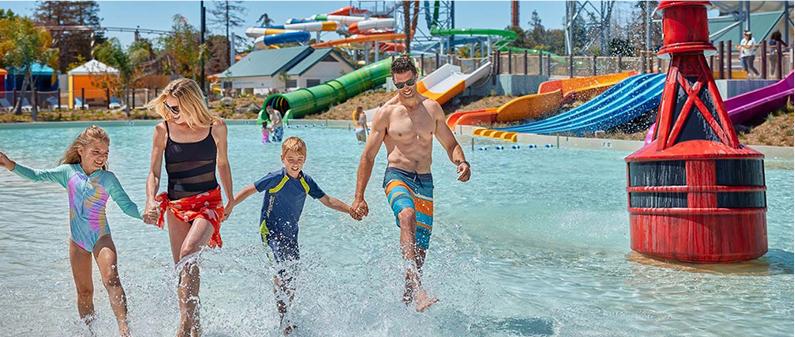
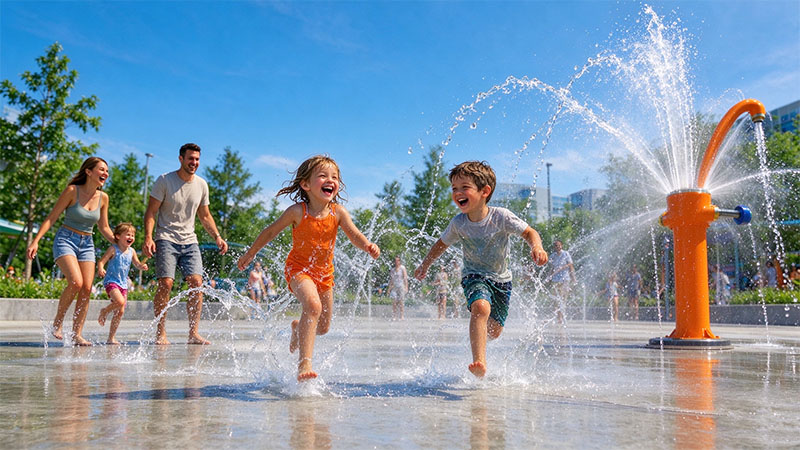
Splash pad equipment has become one of the fastest-growing product categories in the aquatic recreation industry. Unlike traditional swimming pools, the splash pad—also known as a spray park—is a "zero-depth" water play area. In the following sections, I will provide an overview of splash pads.
Splash pad installations comprise a variety of components, including nozzles, water features, control systems, underground piping networks, and safety surfacing. Water is delivered through nozzles, spray heads, and other features—installed either above or flush with the ground—and is promptly removed via an integrated drainage system.
Because water does not accumulate on the surface, there is no need for professional lifeguards. Furthermore, these installations require less space and entail lower operating costs. Most importantly, splash pads eliminate the primary safety hazard associated with traditional aquatic facilities: the risk of drowning. Children can move freely between various play features, and unlike in a swimming pool, parents do not need to enter the water or remain hyper-vigilant; they can easily supervise their children from the sidelines. This makes splash pads an ideal solution for public parks, theme parks, hotels, resorts, childcare facilities, and residential communities.
While many purchasers focus primarily on the visual appeal of the spray features, the success of a splash pad project actually hinges on this critical, underlying systems: the hydraulic distribution system, the automated control system, and the slip-resistant safety surfacing. Choosing inadequate components for these essential, hidden systems often leads to frequent leaks, excessive water costs, and even potential safety risks.
A complete splash pad is a cohesive system, not merely a collection of individual components.
Next, we will introduce the core components of a splash pad system.
The Components Of a Splash Pad System.
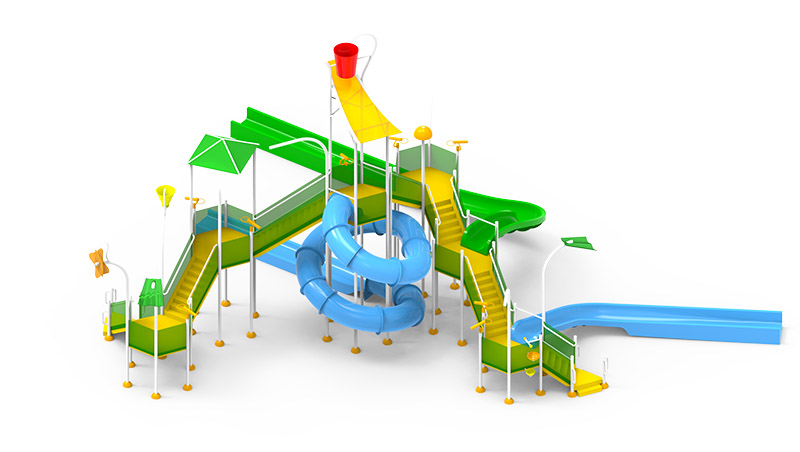
Installations designed for visitors to enjoy and interact with, such as water cannons, tipping buckets, arches, and various themed sculptures.
Water Play Features
Water-spraying devices embedded in the ground, capable of producing fan-shaped, conical, or mist-like water patterns.
Ground Splash Nozzles
Comprising pumps, valves, and piping, this system ensures consistent water pressure for all play features.
Water Supply System
Manages the sequence and cycles of water flow, while also allowing for manual intervention by operators.
Control System
A network of channels, tanks, or sumps designed to collect and remove used water.
Drainage And Collection System
Equipment dedicated to the filtration and disinfection of the water.
Water Treatment System
Flooring materials designed to be slip-resistant and shock-absorbent, specifically tested for use in wet environments.
Surface Paving
window.onload = function(){
const wraps = document.querySelectorAll('.bread-img-wrap');
wraps.forEach(item=>{
const tip = item.querySelector('.bread-tip');
item.addEventListener('mouseenter',function(){
tip.style.opacity = '1';
})
item.addEventListener('mouseleave',function(){
tip.style.opacity = '0';
})
})
}
While a piece of equipment may appear simple on the surface, it is actually a complex assembly of interconnected and interdependent components. For instance, pairing an array of elaborate features with an underpowered water pump will not only disappoint visitors but also place an excessive strain on the equipment, leading to premature wear and tear.
Do You Know How To Choose The Right Equipment
Equipment specifications should be determined based on the specific conditions of the site, rather than relying solely on product catalogs. Before making a purchase, consider the following questions:
1. Who is the target user group?
Young children, school-aged children, and mixed-age groups have different requirements regarding equipment height and water spray intensity.
For young children: Facilities should be low in height with gentle water flow, the edge must be rounded and smooth, surfaces should be slip-resistant, and there should be no hard, protruding parts.
For older children and adults: Features such as dynamic water towers, tipping buckets, and interactive spray nozzles can be incorporated.
2. What is the scale of the site?
The number of installations and the spacing between them determine the site’s capacity and the necessary safety clearances.
Before construction, ensure sufficient space is allocated for piping, the pump room, and maintenance access paths. For smaller sites, opt for compact installations, while larger sites—such as commercial parks—can accommodate more extensive setups, such as multi-unit interactive water towers.
3. What are the local climatic conditions?
The length of the operating season affects the return on investment and the durability of the equipment. Before selection, ensure the equipment is suitable for the local climate and consider how it will be maintained.
4. What is your maintenance capacity?
You must determine the level of maintenance support available; complex systems require trained professionals, as well as a practical and well-defined routine maintenance plan.
Considering these factors will help you determine the most appropriate splash park equipment.
Next, we will cover topics related to site installation and other relevant matters.
Site Preparation And Installation
While a commercial splash pad may appear simple from the surface, its core engineering lies entirely underground. A successful installation relies on a thorough pre-construction site assessment and systematic planning to ensure long-term safety, durability, and stable operation.
A stable, well-drained site is the foundation, preventing surface cracking caused by ground settlement. Compacting the subgrade and installing layered base materials is essential to prevent soil displacement. If the foundation is not properly prepared, the combination of constant water load and foot traffic can lead to uneven settlement, surface delamination, and premature deterioration.
A properly designed water supply system is required. This means that pipe sizing must align with the flow rate requirements of all water features to ensure balanced water pressure across the entire area. Balanced pressure ensures consistent performance from every nozzle. Excessive pressure can cause water to spray outside the designated play area, while insufficient pressure diminishes the intended water effects.
Electrical systems must be designed for wet environments and positioned at a safe distance from the play area. All wiring, junction boxes, pumps, and control components must comply with electrical codes for wet locations. Furthermore, ground-fault protection must be installed to eliminate the risk of electric shock, and all electrical enclosures must be located outside the splash pad area.
Adequate drainage capacity is necessary to handle peak water flow and prevent standing water. The drainage layout, grate placement, and pipe gradients must be carefully engineered to ensure that surface water is drained rapidly, even when all water features are operating at full capacity. Standing water not only increases the risk of slips and falls but also accelerates the degradation of surface materials and creates a breeding ground for bacteria.
Convenient access must be provided for maintenance personnel to reach valves, pumps, and control panels. During the site planning phase, dedicated equipment rooms and access paths should be incorporated. This facilitates routine inspections, component replacement, winterization, and emergency troubleshooting—all without the need to disrupt the surface of the play area.
Requirements Of Daily Maintenance
Regardless of the type of amusement equipment, daily maintenance by operators is essential. Such maintenance ensures stable equipment operation, extends the lifespan of assets, helps control operating costs by optimizing water and energy consumption, maintains water hygiene, and guarantees visitor safety. Routine maintenance tasks typically include:
Periodically inspecting nozzles to clear any blockages and assessing them for wear, corrosion, or damage caused by continuous water flow. Components with significant damage should be replaced promptly.
Monitoring the operational status of water pumps, verifying their performance and flow rates, and ensuring pressure balance throughout the circulation piping network.
Clean the water intake screens and filter elements to prevent clogging. At the same time, test and adjust water chemistry parameters to ensure that disinfection levels meet the prescribed standards.
Inspecting the surfaces in play areas for delamination, lifting, cracks, uneven seams, or the presence of biofilms or mineral deposits that could create a slipping hazard.
Conducting comprehensive functional tests of control logic, sensor triggers, and automated operating sequences before the equipment is put into service each operating season.
Documenting all inspection data, test results, and repair records in a maintenance log to facilitate compliance audits and proactive troubleshooting.
Proper equipment maintenance is key to the long-term success and stability of your amusement park.
Why Splash Pads Are a Smart Investment
Splash pads are becoming increasingly popular worldwide. They not only offer effective solutions to key operational challenges but also present significant revenue potential for water park developers and commercial amusement operators.
Low water consumption: As "zero-depth" aquatic play facilities, splash pad equipments require far less water than standard swimming pools designed to accommodate a similar number of visitors.
Low initial construction Costs: There is no need for deep excavation or large pool basins, resulting in a smaller construction scope. If the budget is limited, water spray features can be added incrementally over time, allowing for phased upgrades rather than requiring a large, one-time capital investment.
Reduced labor costs: With no deep-water areas, the risk of drowning is virtually eliminated. Most splash pads do not require the presence of lifeguards, which significantly lowers expenditures on staff wages and insurance, while also reducing the risk of liability from safety incidents. They are ideal for young children, making them highly appealing to parents. Furthermore, they are easy to maintain, ensuring low long-term operational costs.
Flexible spatial layout: Splash pads offer versatile planning options and can be installed in a wide variety of locations, including parks, resorts, schools, and shopping centers. Even when closed during the winter, the space can be repurposed for other outdoor activities, making it a prefect choice for creating multi-functional recreational areas.
Short return on investment period: Lower upfront construction costs and minimal daily maintenance requirements shorten the time needed to recoup the initial investment. Additionally, splash pads are highly effective at attracting foot traffic, which can stimulate economic activity in the surrounding area.
Highly inclusive design: The equipment is safe and accessible, catering to adults of all ages as well as children with varying physical abilities, ensuring a broad appeal to a diverse range of visitors.
FAQ ABOUT SPLASH PAD
In what types of locations are splash pads suitable?+
It is widely used in various settings, such as water parks, scenic areas, resorts, hotels, and community parks, serving both as a decorative element and as an attraction for visitors to enjoy.
Is it possible to forgo the zero-depth splash pad?+
Absolutely. Water play equipment can be installed in a shallow pool alongside a splash tower, enriching the range of available attractions.
Are this water play equipments safe for kids?+
The edges and corners of each piece of equipment have been rounded and smoothed, ensuring they will not scratch children. The water streams produced by the equipment are very gentle, with no forceful impact.
Is customized design available?+
Yes, we can provide customized designs, including equipment appearance, water spray schemes, color schemes, thematic styles, and more.
Do you offer installation services?+
Yes, we can provide services including civil engineering, site setup, and equipment installation.
var faqWrap = document.getElementById('faq-wrap');
faqWrap.addEventListener('click', function(e){
var q = e.target.closest('.faq-question');
if(!q) return;
var item = q.closest('.faq-item');
var answer = item.querySelector('.faq-answer');
var icon = item.querySelector('.faq-icon');
var isOpen = item.dataset.open === 'true';
if(isOpen){
answer.style.maxHeight = '0px';
icon.textContent = '+';
item.dataset.open = 'false';
}else{
answer.style.maxHeight = answer.scrollHeight + 'px';
icon.textContent = '−';
item.dataset.open = 'true';
}
})
Read More