leave a message
If you are interested in our products and want to know more details,please leave a message here,we will reply you as soon as we can.

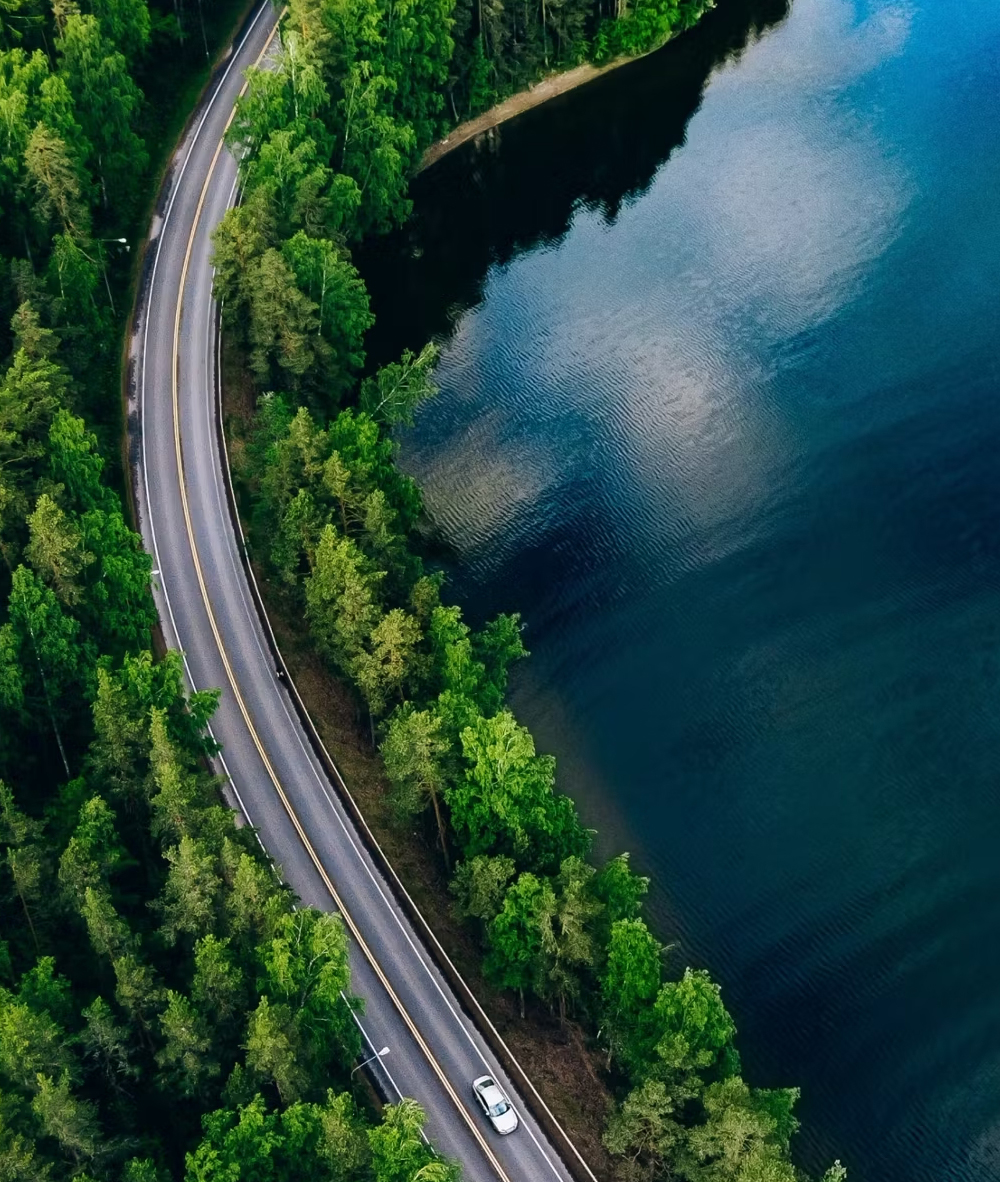
Site selection is a core prerequisite for the stable operation, stable customer flow, and long-term profitability of a water park project, directly determining its market competitiveness, operating cycle, and return on investment. A scientifically sound site selection plan needs to comprehensively consider geographical conditions, transportation convenience, target customer positioning, market competition, surrounding supporting facilities, and overall cost budget. Only through multi-dimensional systematic evaluation can homogeneous competition and operational risks be avoided, laying a solid foundation for the sustainable and high-quality development of the water park.
1. Geographical Location and Climate Conditions
The geographical environment is a fundamental factor restricting the operation of a water park. From the perspective of regional economy and population, priority should be given to areas with developed economies, high population density, and strong residents' spending power. Sufficient permanent and transient populations can provide a stable potential customer base for the park, effectively guaranteeing basic customer flow and repeat consumption throughout the operating season.
Regarding the natural environment, the site should have sufficient water resources and a good ecological environment, not only meeting the daily circulation and operation needs of the water park equipment but also creating a comfortable and beautiful play environment, enhancing tourism appeal. In terms of climate, ideally, a location with hot summers and warm winters should be chosen to effectively extend the park's annual operating time. For areas with shorter warm seasons, indoor temperature-controlled water parks can be designed to overcome seasonal operating limitations and achieve stable year-round operation.
2. Transportation Convenience
Convenient transportation is crucial for attracting visitors. Water parks should be located near major roads and other transportation arteries to facilitate quick connections to the city center and surrounding areas, reducing travel time for visitors from other regions. Simultaneously, the surrounding area should have a comprehensive public transportation network, including bus stops and subway stations, providing diverse travel options for visitors without private cars and expanding the customer base.
Furthermore, ample parking space is essential. A well-planned large parking lot can fully meet the travel needs of visitors with cars, effectively alleviating traffic congestion during peak seasons and holidays, significantly optimizing the visitor experience, and improving the overall service quality of the park.
3. Target Customer Group Positioning
A clear customer positioning is the core foundation of project design and operational planning. Water parks are suitable for a wide range of consumer groups. Families are the core customer group, and the park needs to be equipped with gentler attractions such as family-friendly water fortresses and lazy rivers to meet the interactive entertainment needs of families with children.
Meanwhile, young people and students seeking thrills are key profit-generating groups. Water parks should also include trendy and exciting attractions such as extreme slides and surf simulators to attract younger consumers. In addition, targeted service facilities and rest areas for children and senior citizens can be provided to cover all age groups and maximize market traffic.
4. Competitor Analysis
Before site selection, a comprehensive analysis of surrounding competitors is essential. First, the number, size, equipment configuration, and ticket prices of nearby water parks should be statistically analyzed to accurately assess local market saturation and competitive pressure. Second, the daily operations, visitor flow patterns, and visitor feedback of competing projects should be analyzed to identify market demand gaps and pain points.
By analyzing the strengths and weaknesses of competitors, we can develop a differentiated positioning and operational strategy for our own project. We can achieve breakthroughs in themed packaging, unique equipment, immersive experiences, and service quality, effectively avoiding vicious competition based on homogeneity and forming a unique market competitiveness.
5. Surrounding Facilities
Comprehensive surrounding facilities are a crucial supplement to enhancing the overall competitiveness of a water park. The site should be equipped with complete basic facilities such as restaurants and shops to meet the daily dining needs of visitors and extend their stay. Accommodation facilities can effectively address visitors' lodging needs, facilitating the conversion of day trips to multi-day trips and increasing secondary consumption revenue.
6. Cost Budgeting and Investment Control
Cost budgeting and control are essential throughout the entire process of site selection and project construction. A comprehensive calculation of direct investment costs, including land acquisition, site leveling, civil engineering construction, and equipment procurement, is necessary. The construction plan should be optimized by considering various factors to reduce unnecessary infrastructure investment.
Simultaneously, sufficient funds should be reserved to cover indirect operating costs, including daily utilities, employee salaries, equipment maintenance, and marketing expenses.
leave a message
Scan to WhatsApp :